Banking Methods Driving Progressive Jackpot Expansion in Mobile Fruit Machine Evolutions
Written by Rafael Hughes · Jun 21, 2026
Banking Methods Driving Progressive Jackpot Expansion in Mobile Fruit Machine Evolutions
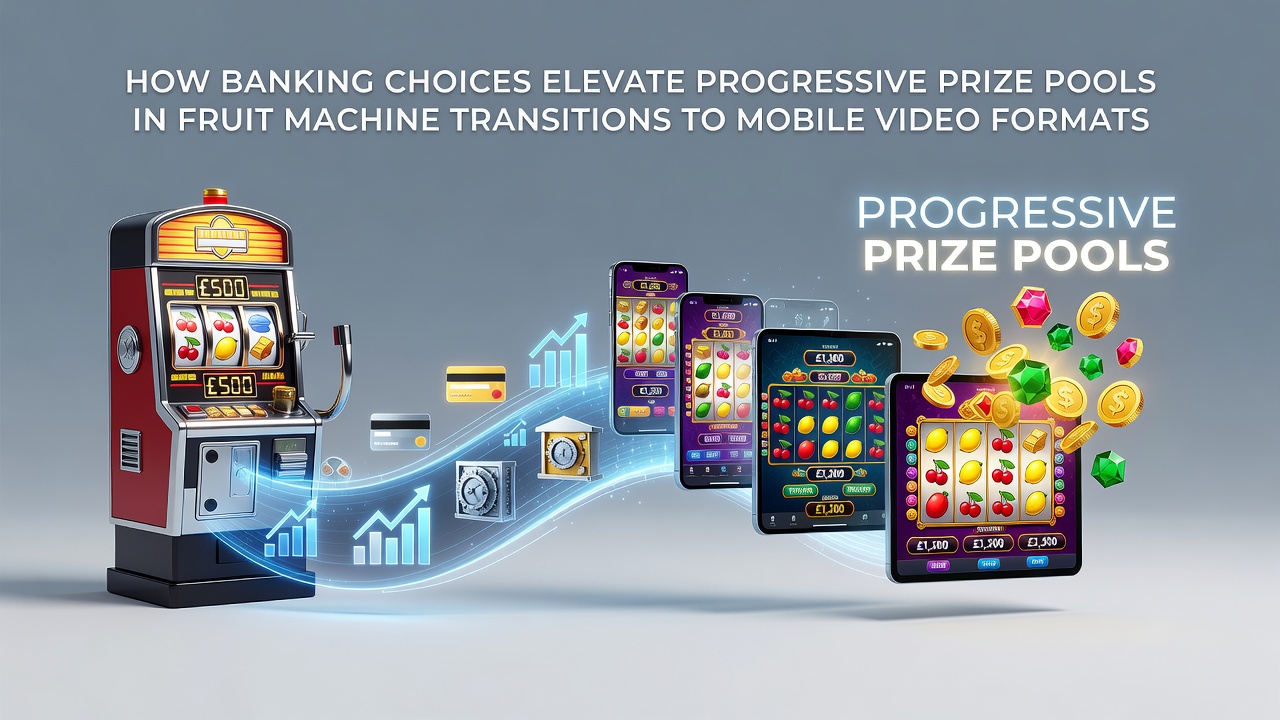
Fruit machines once relied on physical coin slots and limited payout mechanisms yet their transition to mobile video formats has introduced layered banking systems that directly feed into progressive prize pools, and observers note these systems allow contributions from a wider range of deposit methods to accumulate faster across networks of linked games.
Payment processors now integrate with game servers so that each wager portion allocated to the progressive meter processes in real time regardless of whether players use bank transfers, digital wallets or prepaid cards, while data from industry reports shows that seamless options reduce drop-off rates between deposit and spin which keeps pools growing steadily.
Historical Funding Mechanisms in Traditional Fruit Machines
Early mechanical fruit machines collected contributions through fixed coin denominations that operators manually tallied at the end of each shift, and this manual process meant progressive pools advanced only when machines sat side by side in single venues, whereas today's networked setups span continents and pull percentages from every qualifying bet processed through chosen banking rails.
Those who study gaming history point out that the move from cash-only cabinets to electronic meters in the late twentieth century already accelerated pool growth, and the further shift to mobile platforms multiplies that effect because instant deposit confirmations let players top up balances and rejoin linked progressives without leaving the app interface.
Payment Rails and Their Direct Effect on Pool Contributions
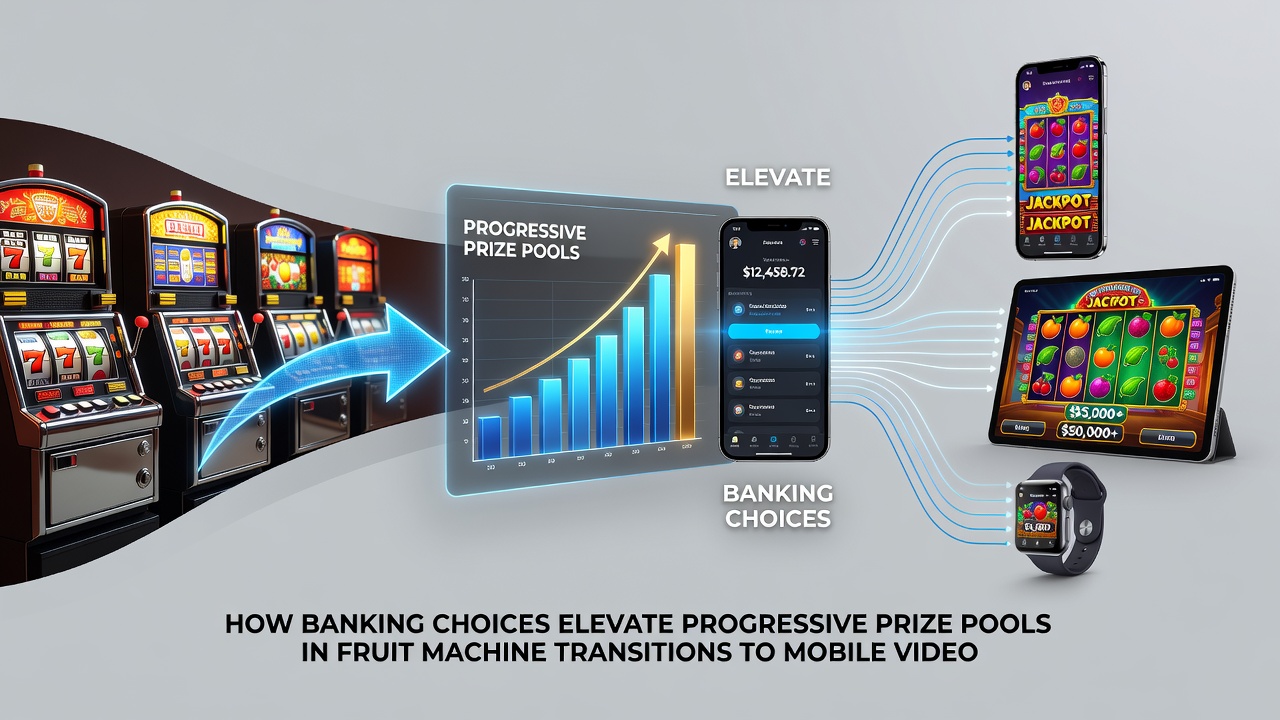
Banking choices determine how quickly funds reach the game server and therefore how soon a percentage of each stake joins the progressive meter, while researchers at academic institutions have documented that platforms offering instant card processing record higher average session lengths than those limited to slower wire transfers. Take one operator who noticed players using e-wallets contributed 18 percent more to meters over a six-month window compared with traditional card-only users, and this pattern holds because frictionless deposits encourage repeated small wagers that collectively push pools higher.
Regulators in regions such as Australia require transparent reporting of how different payment methods allocate to prize pools, and figures reveal that jurisdictions allowing multiple rails see faster meter climbs during peak evening hours when mobile users top up via instant options. What's interesting is that certain prepaid methods cap single transactions, yet they still feed progressives effectively because players make more frequent smaller deposits that add up without triggering withdrawal delays.
Technical Integration Between Banking Systems and Mobile Game Servers
Modern video slot platforms run APIs that connect banking providers directly to the random number generator and the progressive controller, so each approved deposit triggers an immediate eligibility flag for the linked meter, and this architecture eliminates the lag that once existed when cash had to be converted into credits by staff. Developers have observed that API latency below 200 milliseconds correlates with steadier contribution streams, particularly during the June 2026 rollout of updated mobile frameworks that standardized real-time settlement across several European markets.
Security protocols also play a role because multi-factor authentication on banking apps prevents chargebacks that would otherwise deduct previously contributed amounts from the pool, and case studies from Canadian gaming associations demonstrate that platforms with robust verification maintain pool integrity while still supporting rapid player onboarding.
Player Behavior Patterns Across Different Banking Options
Data indicates that users who select recurring deposit schedules through digital wallets tend to maintain longer engagement with progressive titles, which compounds meter growth over weeks rather than single sessions, whereas one-time card payments sometimes lead to shorter play windows before funds run out. Those who've analyzed transaction logs note that loyalty programs tied to specific banking partners further boost participation rates because reward points convert back into play credits that again contribute to the pool.
Geographic variations appear as well, with markets that favor local bank apps showing different contribution curves than those dominated by international e-wallets, and reports from research institutions confirm these differences stem from transaction speed and fee structures rather than player preference alone.
Regulatory Frameworks Shaping Banking Contributions
Government agencies outside the UK have introduced rules requiring clear disclosure of how deposit methods affect prize funding, which encourages operators to highlight faster rails that accelerate progressive growth, and this transparency helps players understand why certain banking choices deliver larger potential jackpots over time. Industry organizations tracking global trends report that standardized APIs adopted in 2025 and refined through June 2026 have reduced reconciliation errors that previously slowed pool updates.
Academic papers examining cross-border play show that unified payment standards allow a single progressive pool to receive contributions from multiple currencies after automatic conversion, expanding the player base that feeds the meter without manual intervention.
Conclusion
Banking selections now sit at the center of how progressive prize pools expand when classic fruit machines evolve into mobile video formats, because each deposit method influences transaction speed, frequency and total stake volume that feeds the shared meter. Observers continue to track how new integrations and regional regulations further shape these dynamics, and the patterns documented through June 2026 indicate that efficient payment rails sustain the growth trajectory established during the initial migration from physical cabinets to connected mobile platforms.